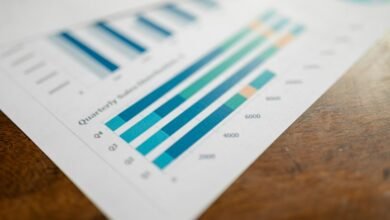
Financial Growth Indicators: 2107542151, 2107754223, 2107872346, 2109811084, 2111022680, 2111883028


Financial growth indicators, such as 2107542151 and 2107754223, serve as crucial benchmarks for assessing an organization’s economic viability. Each number encapsulates specific metrics that illuminate liquidity, leverage, and overall fiscal health. Evaluating these indicators can reveal underlying trends and inform strategic decision-making processes. The implications of these insights are significant, yet they raise questions about future performance and sustainability. What strategies might emerge from this analysis?
Understanding the Financial Growth Indicators
How can one effectively gauge the health of a financial entity?
Analyzing financial ratios, such as the debt-to-equity and current ratios, provides critical insights into liquidity and leverage.


Additionally, comparing these ratios against economic forecasts can reveal potential growth or risk factors.
A comprehensive evaluation ensures stakeholders maintain informed perspectives, ultimately supporting the pursuit of financial autonomy and informed decision-making.
Analyzing Market Trends Through Key Metrics
What factors drive market trends and how can they be quantitatively assessed?
Analyzing market dynamics involves examining key metrics such as price movements, volume changes, and economic indicators. These metrics provide insights into consumer behavior and investor sentiment, enabling accurate investment forecasts.
Strategic Planning Using Financial Data Insights
Building upon the insights gained from market trend analysis, strategic planning can leverage financial data to enhance decision-making processes.
By employing financial forecasting, organizations can anticipate future scenarios, aligning their objectives with actionable insights.
Additionally, establishing performance benchmarks allows firms to measure success against industry standards, facilitating continuous improvement.
This data-driven approach empowers leaders to make informed choices, ultimately fostering sustainable growth.
Conclusion
In conclusion, the financial growth indicators serve as critical tools for assessing an organization’s viability and strategic positioning. By interpreting these metrics, stakeholders can navigate market complexities and make data-informed decisions. As the adage goes, “What gets measured gets managed.” This emphasizes the importance of continuous monitoring and analysis of financial data to drive sustainable growth and maintain a competitive edge in an ever-evolving landscape. Ultimately, leveraging these insights can lead to a more resilient organizational framework.